
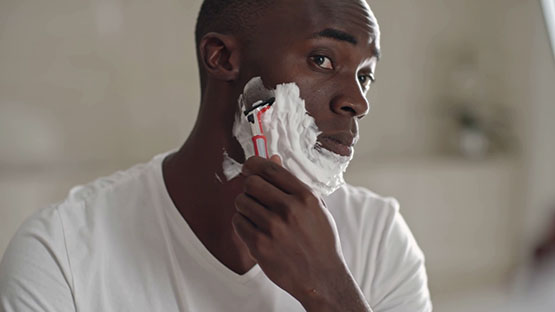
There’s a reason why the African beauty industry is worth billions of dollars. Africa has seen a tremendous rise in demand for beauty gadgets and personal grooming products in recent years. To please the African consumers, manufacturers have also introduced new gadgets with various styles and colours to impress the African users. Many new personal grooming gadgets being introduced in the African market work without electricity, many are battery-operated and some come with self-rechargeable powerful mechanisms that can run upto 30-60 minutes or days without charging. Demand for beauty gadgets and personal grooming products like Hair dryers, Irons, Trimmers, Grooming kits have seen a steady growth in many African countries as more and more people in Africa now have disposable incomes that they are willing to spend on personal grooming products. The demand patterns in amongst African consumers is also undergoing drastic changes. Earlier it was the well-established brand names that were most sought after. However, new brands with gadgets that offer newer and user-friendly features are now being accepted more readily by the African consumers. Enlightened beauty shoppers in Africa now want more than a wider variety of trendy gadgets, and they’re certainly looking for more than a traditional celebrity endorsement. They’re also craving for compact gadgets and convenient packaging to speed up their morning routines like shaving and trimming. As a result, many celebrity hairdressers and beauticians in Africa, who have hands-on knowledge of consumer needs, are launching their own products to meet the rising demand for beauty gadgets in Africa. The market in Africa is today flooded with a wide variety of beauty products – there are the international brands, then there are private label brands, not to forget the brands manufactured in Africa. A recent study showed that a sudden rise in male customers purchasing trimmers and shavers from various e-stores in Africa has provided unprecedented growth to this sector . Did You Know? The demand for personal grooming gadgets and electronics is skyrocketing across Africa. Here are some key trends driving this tech-beauty boom: • Power-Grid Independence: Due to power stability challenges in many regions, the most popular grooming gadgets in Africa are cordless, battery-operated, or rechargeable models that can run for hours or days without electricity. • Male Grooming Surge: The male grooming segment is experiencing unprecedented growth, with a massive spike in online sales of beard trimmers, electric shavers, and multi-grooming kits by modern African men. • Shift to Innovation: African beauty consumers are moving away from traditional brand names in favor of compact, multi-functional, and user-friendly devices that simplify daily morning routines. • Indigenously Driven Tech: Popular local hairstylists and beauty experts are increasingly partnering with manufacturers to launch custom grooming tools specifically tailored to African hair types and textures.
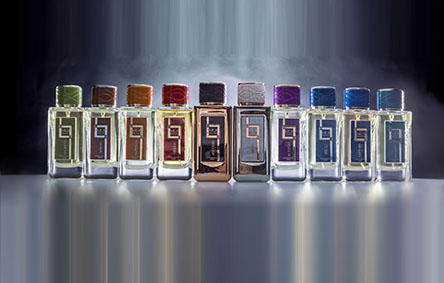
The Mohammed Rasool Khoory & Sons Perfumes recently launched the MRK Perfume collection, with a wide range of entirely new and unique French and Oriental fragrances for men and women. The new innovative collection, dubbed MRK, is available at the first showroom at Mushrif Mall. The collection includes a set of 10 different perfumes, as follows: My Oud – The magic of Oud's rare and timeless components, extracted through modern techniques; featuring trails of Oud, pine, vanilla and rose. Musk – An Oriental fragrance for Him and Her; where the wonderful aromatic note of musk combines harmoniously with trails of amber, vanilla, jasmine, tuberose, star anise and rose. Safwa – A new oriental fragrance, symbolic of Arab pride in all of its grandeur and glory. It is an intensely feminine perfume, bursting with elegant accords of musk, saffron, clove and sandalwood. This unique combinationreflects the most beautiful ancient and contemporary Arabic fragrances, in a gorgeous ornamented bottle that makes it truly unique. Opera – A catchy name that is synonymous of magnificence. A luxurious fragrance that captivates the senses with notes of honey rose, musk, jasmine, amber, vanilla and sandalwood. H-Tulip – a romantic suave fragrance that reflects femininity and attraction; it features notes of Orange Blossom and Vanilla, with woody tones of sandalwood and musk. Islands – an inspiring unique perfume, bursting with captivating notes of Italian Bergamot and fresh Tangerine, with a touch of Jasmine, Sandalwood and Vanilla. Saffron – An alluring fragrance for the modern woman with contradicting personality. This new perfume combines a blend of Red Apple, Lemon, Magnolia and Musk notes. He – A dazzling new perfume for the mighty man, subtly perfect to wear for dinner parties and cocktails, it bursts with base notes of white musk mixed with middle notes of fresh mint and Italian Lemon. Wood – A traditional woody fragrance that features a blend of unique components such as ginger, cinnamon, sandalwood, Cedar Wood, Lemon and cumin. Secreto – A glamorous captivating perfume, featuring the beautiful and mysterious scents of basil, jasmine, sandalwood and amber. Arabic Dukhoon – The collection includes a wide range of Arabic dukhoons, notably "Shaffaf", "Nashwan" and "Ghannah". Presented in a special packaging, these finest and most glamorous types of oriental incense send out a powerful beautiful scentand spread an overall sense of relaxation and happiness.
The Market for Halal Cosmetics
folder_open Market Reports
The halal beauty market has already taken off in the Middle East and Asia, but now it’s set to become established in the West. Therefore, there is an opportunity for natural and organic brands to easily adjust their ingredients and production methods to meet halal certification. The term “halal,” as it applies to cosmetics, simply means products that have been manufactured, produced and composed of ingredients permissible under Islamic Sharia law. Other ingredients are deemed “haram,” meaning their consumption is forbidden. While cosmetics are usually applied topically, the skin is the body’s largest and most absorptive organ — as Gwyneth Paltrow and other advocates of natural beauty products would be the first to remind you — so it’s plausible that users still consume ingredients indirectly. Hence, many religious Muslims seek alternatives to mainstream makeup brands. Halal beauty market According to a recent report, the global halal cosmetics market was valued at $22 billion in 2023 and it’s expected to reach 60 billion USD by 2030. Why the sudden uptick? The halal market isn’t trying to be the next health craze boasting the latest and greatest; rather, it’s filling a void in the industry for which there was always a demand. Muslims comprise more than 23 percent of the global population, according to a Pew Research Center estimate, and younger generations are emerging as conscious consumers. Their purchasing power has merely amplified the demand for a developing halal market and, as a result, companies are being pushed to diversify their product offerings. They’re therefore now more than ever obliged to comply with halal certification requirements that are increasingly necessary to export to certain countries — so a lot more labels are being disseminated. “The demand has always been there worldwide, especially in Muslim countries,” says Safia Ghanim, technical auditor and manager of the ISWA Halal Certification Department at the USA Halal Chamber of Commerce, Inc. “Halal isn’t another trend. For Muslims, Islam is our way of life, which includes consuming and using Halal products.” Rise of the Mipster Theresa Yee, Beauty Editor for trend forecaster WGSN, says the Muslim hipster, or ‘Mipster’, is a growing demographic. These consumers are looking for brands that don’t compromise on their faith or religion while finding products that fit into their 21st century lifestyles. She adds: “As Halal beauty products are formulated with natural ingredients and are vegan and vegetarian-friendly, there is potential for brands to reach out to non- Muslim consumers as well as those who are interested in vegan and organic beauty products.” Nails Inc., for example, has produced a wash-off polish for daily prayer. Halal nail polish has already become a big seller. Muslim women have to perform ablution before praying five times a day, and it’s unanimously agreed upon that water must touch the surface of the nail for the ritual to be done completely. Therefore, water/oxygen permeable nail polish allows for women to don their favourite mani and still observe a compulsory pillar of their faith. Opportunities ahead Amarjit Sahota, founder of Ecovia Intelligence (formerly Organic Monitor) told Cosmetics Business: “A small number of brands are catering to this growing segment by developing cosmetics that are certified natural/organic and halal.” Examples include the UK’s Saaf Skincare and the UAE’s SCO, which is considering seeking halal certification. “Our products are made with certified organic ingredients, do not contain alcohol or animal byproducts and are tested on willing humans, so we fit into both categories. Therefore, it makes sense for us to go for a halal certification,” says founder of Shirley Conlon Organics (SCO). Halal certification explained The Halal Cosmetics Company, created by Salma Chaudhry under the brand Halalcosco, is first halal certified brand to launch in a major supermarket chain in the UK. Halalcosco’s range, including skin care and cleansing products, was launched exclusively in Asda stores. Salma Chaudhry, the owner of Halalcosco, was named Entrepreneur of the Year at the Fusion Awards. She attended Cosmetic Business Regulatory Summit presenting an overview of the regulatory parameters for halal certification.
Preliminary request for participation in the trade show
place
calendar_today
Preliminary request for visitor registration
Visitor Registration
place
calendar_today