

Africa Beauty and Personal Care Market
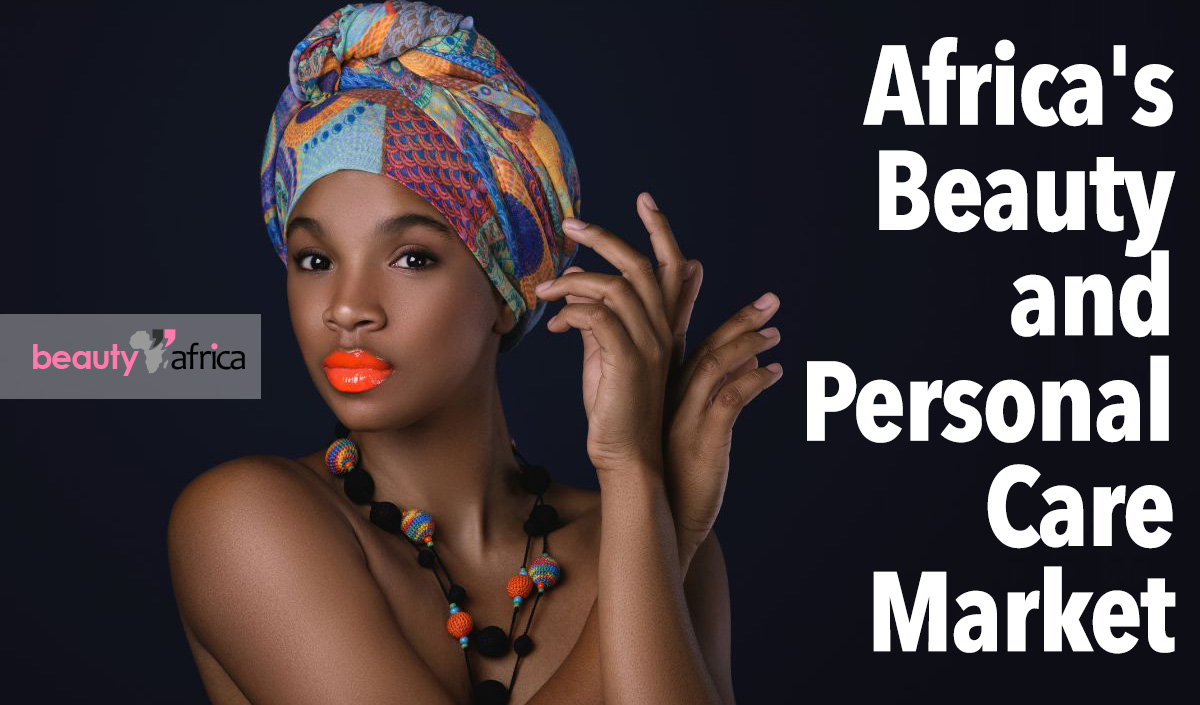
The African beauty and personal care market continues to evolve with innovations in product formulations, sustainable packaging, and digital retail strategies. The demand for skincare, men’s grooming products, and natural ingredients will fuel market expansion, while companies adapting to consumer preferences and regulatory changes will gain a competitive edge.
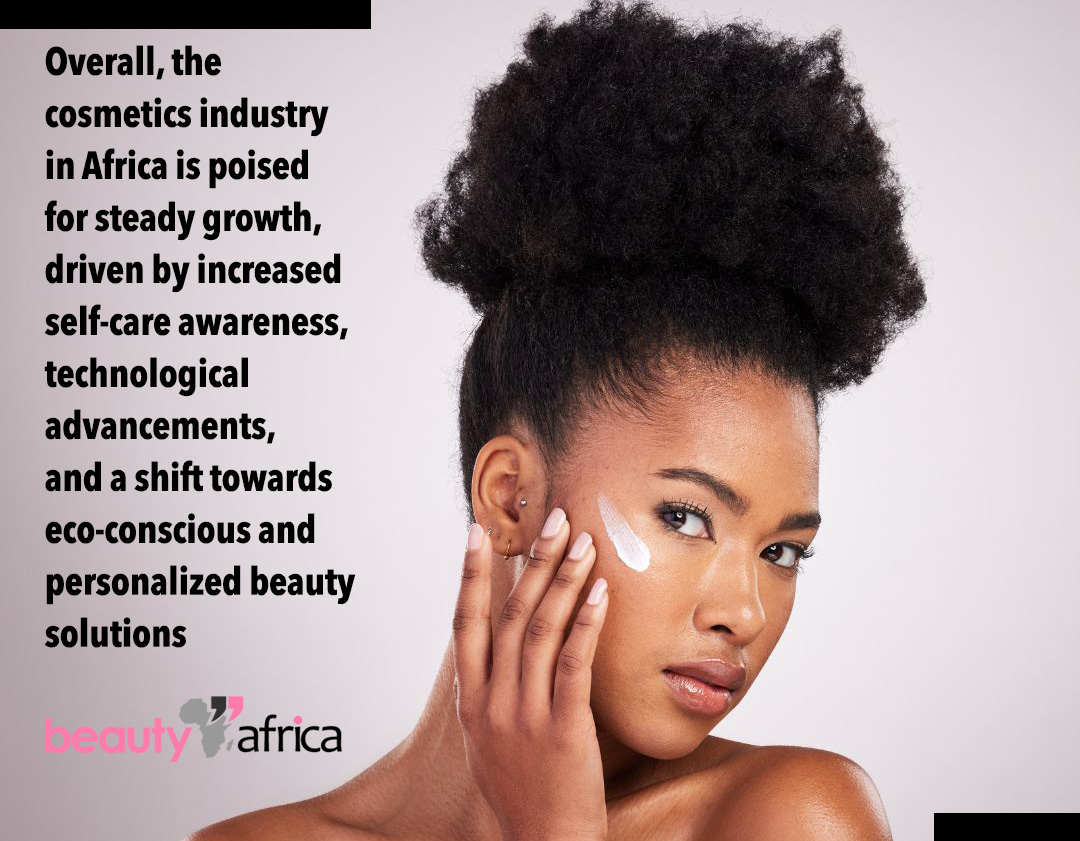
Overall, the industry is poised for steady growth, driven by increased self-care awareness, technological advancements, and a shift towards eco-conscious and personalized beauty solutions.
The Africa beauty and personal care market is projected to grow by USD 8.18 billion at a CAGR of over 8% between 2025 to 2030. This rapid expansion is driven by key trends, including the rising demand for anti-aging products and the shift toward natural ingredients. Consumers are increasingly seeking skincare solutions that promote a youthful appearance, while health-conscious buyers favor personal care products free from synthetic chemicals.
Despite these growth opportunities, the market faces challenges such as limited distribution networks, regulatory hurdles, and high import duties, which complicate market penetration for businesses.

Product Insights
The skincare segment is expected to experience significant growth, driven by increasing awareness of self-care and grooming. High-demand products include:
- Cleansers & toners
- Moisturizers
- Anti-aging solutions
House of Tara International, a Nigerian beauty brand, exemplifies the success of locally tailored skincare solutions. Additionally, organic hair care, color cosmetics, fragrances, and men’s grooming products are expanding market segments.
Market Trends and Dynamics in the African Markets
Rising demand for anti-aging products: Influenced by shifting lifestyles, greater skincare awareness, and a desire for a youthful appearance.
Growing preference for natural ingredients: Consumers are avoiding synthetic chemicals, favoring safer alternatives such as shea butter and baobab oil.
Expansion of online beauty retail: Digital platforms and social media influencers are shaping purchasing behaviors, providing access to customized skincare and personalized beauty solutions.
Significant Market Trends
Eco-friendly packaging and sustainable solutions: Environmentally conscious consumers drive demand for biodegradable and recyclable packaging.
Customization and personalization: Tailored skincare regimens and fragrances cater to individual preferences, enhancing consumer engagement.
Male grooming on the rise: Increased focus on hair fall prevention, skincare, and dental care among male consumers.
Challenges Facing the Market
Health risks from synthetic chemicals: Growing awareness of harmful ingredients like parabens and sulfates pushes consumers toward safer, natural alternatives.
High import duties and regulatory constraints: Trade barriers make market entry challenging for new and international players.
Offline vs. online retail preferences: While e-commerce is expanding, many consumers still prefer in-store experiences for product testing and expert recommendations.

Competitive Landscape
Leading companies in the Africa beauty and personal care market include:
- Adidas AG
- Africology Pty Ltd.
- Amway Corp.
- Beiersdorf AG
- Christian Dior SE
- Coty Inc.
- House of Tara International
- Johnson & Johnson Services Inc.
- L’Oreal SA
- Unilever PLC
- Zaron Cosmetics and Beauty
Did You Know?
The African beauty and personal care market is experiencing a massive structural transition. Here are some of the key metrics and dynamics driving this growth:
- • Over 8% Compound Growth: The African beauty and personal care market is projected to expand by $8.18 billion between 2025 and 2030, maintaining a compound annual growth rate (CAGR) of over 8%.
- • The Shea & Baobab Revolution: Consumers are actively rejecting synthetic chemicals like parabens and sulfates, leading to a massive demand spike for locally sourced organic ingredients such as shea butter and baobab oil.
- • Eco-Conscious Consumers: Sustainable, biodegradable, and recyclable packaging is becoming a critical purchasing differentiator for younger, environmentally conscious African buyers.
- • Offline Testing Still Rules: While e-commerce is growing rapidly through social media influencers, the majority of African consumers still prefer in-store experiences to test products and receive expert advice before purchasing.